ICAR-CIRCOT organizes Awareness Programme on Parthenium [Congress grass or Gajar Ghaas] Management
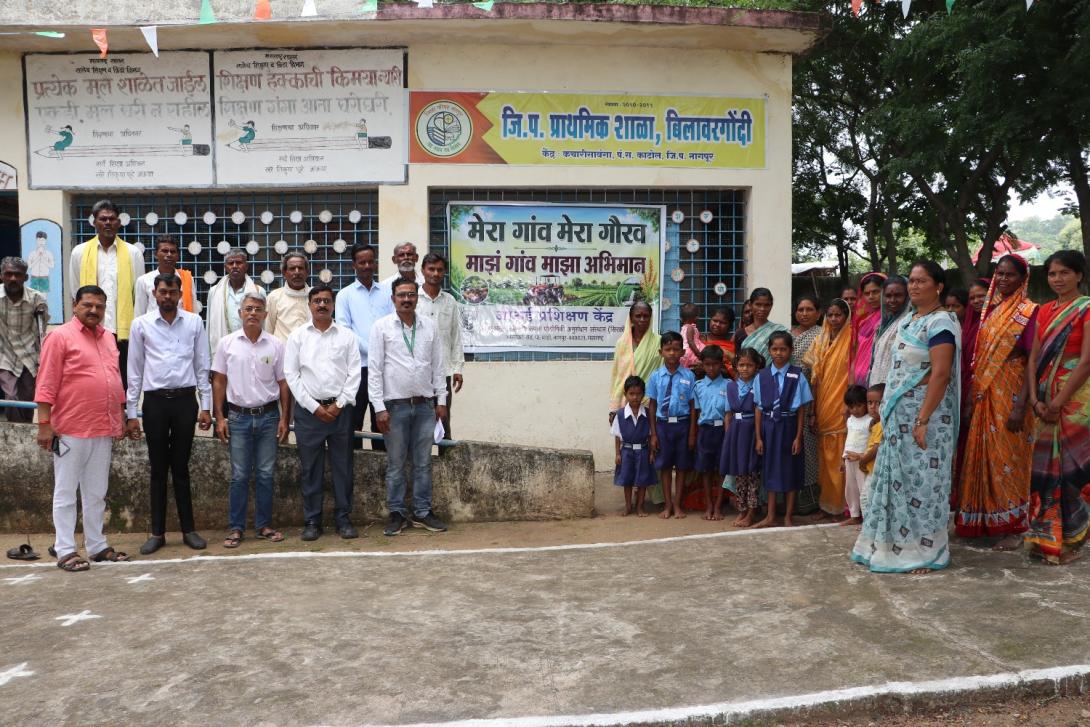
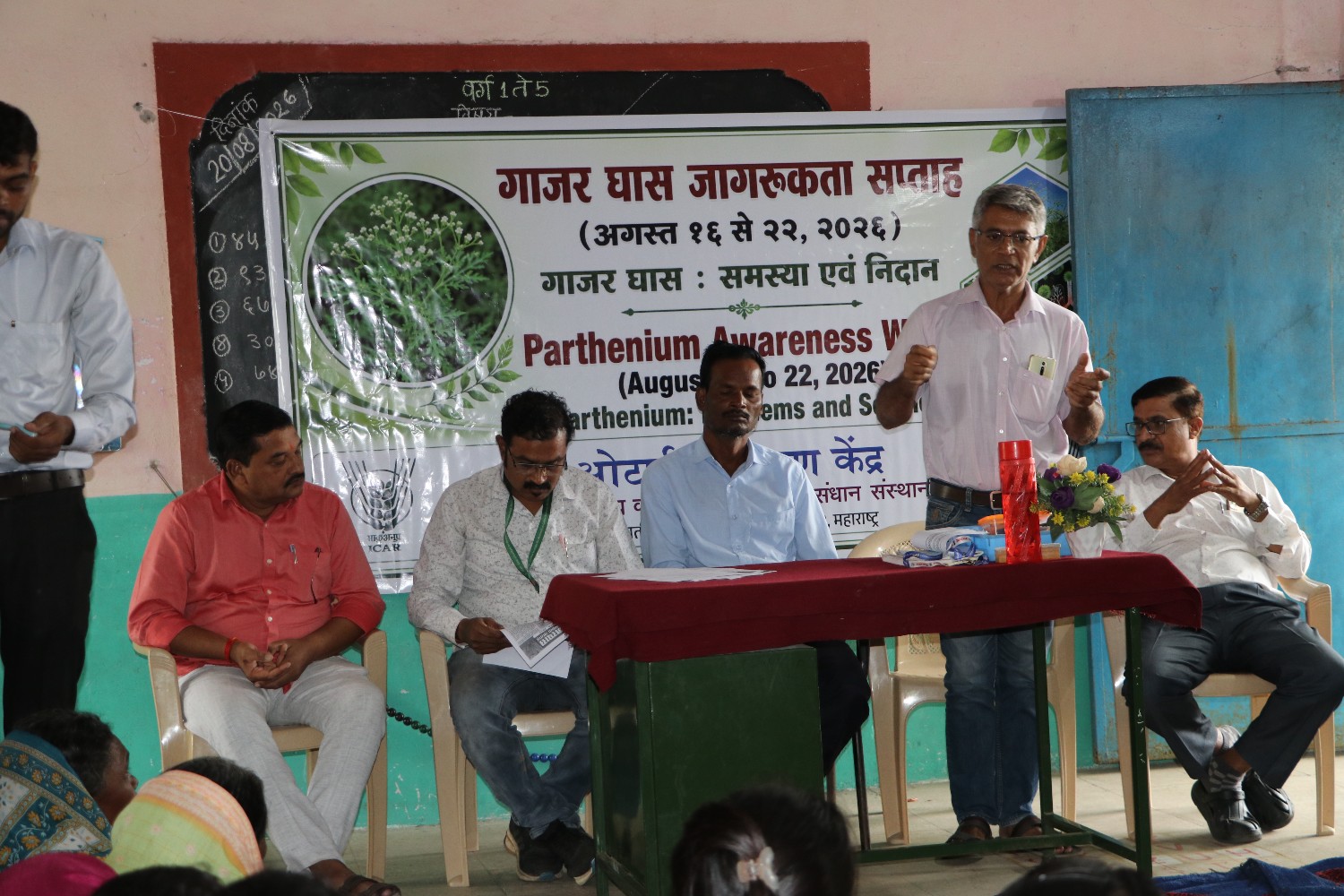
A specialized awareness-cum-demonstration programme on the Integrated Management of Parthenium (commonly known as Congress grass or Gajar Ghaas) was organized on 20th August, 2026 for the farming community at Bilawar Gondi village in Katol tehsil, Nagpur. About 25 farmers participated in the programme.
The event was organized and led by a team of senior officials from the Ginning Training Centre (GTC), ICAR-Central Institute for Research on Cotton Technology (CIRCOT), Nagpur. The expert team was headed by Dr. Shashikant Ghadge, Principal Scientist, alongside Er. Dhiraj Patil, Chief Technical Officer, Mr. Anil Kumar Kulsange, Technical Officer, and Ms. Snehal Lonare, Technician.
The initiative aimed to educate local agricultural workers on curbing the rapid spread of the invasive weed, which poses severe threats to crop yields, soil fertility, and livestock health. Experts highlighted that Parthenium pollen and direct plant contact also cause severe health risks in humans, including skin allergies, dermatitis, and respiratory issues like asthma.
Key Highlights of the Event
- Integrated Weed Management (IWM): Dr. Shashikant Ghadge emphasized combining physical, chemical, and biological control methods rather than relying on a single approach for long-term eradication.
- Safe Physical Removal: Experts demonstrated manual uprooting techniques before the weed reaches its flowering and seed-setting stages. Farmers were urged to wear protective gloves and masks to prevent allergic reactions.
- Biological & Cultural Control: The team explained the use of bio-control agents like Zygogramma bicolorata (Mexican beetle) and encouraged planting competitive species like Cassia tora (Tarota) along boundaries to naturally suppress the weed.
- Waste-to-Wealth Demonstration: Practical methods were shown for safely uprooting the weed and converting its biomass into useful compost, turning a hazardous weed into organic manure.
- Chemical Safety: Precise application techniques for recommended herbicides were detailed for heavily infested non-crop areas, emphasizing strict adherence to safety gear.
The interactive session allowed farmers from Bilawar Gondi to address their specific field infestation issues directly with the scientists. The programme concluded with a joint call by the ICAR-CIRCOT officials and local village leaders to organize community drives (Shramdaan) to clear field borders and public spaces before the weed seeds disperse.
- Back to previous page
- |
-
Page last updated date:21-08-2026 08:25 AM
Footer Logos